
Renegade Immortal Episode 151: Wang Lin Breaks the Possession Plot and Confronts an Immortal Soul
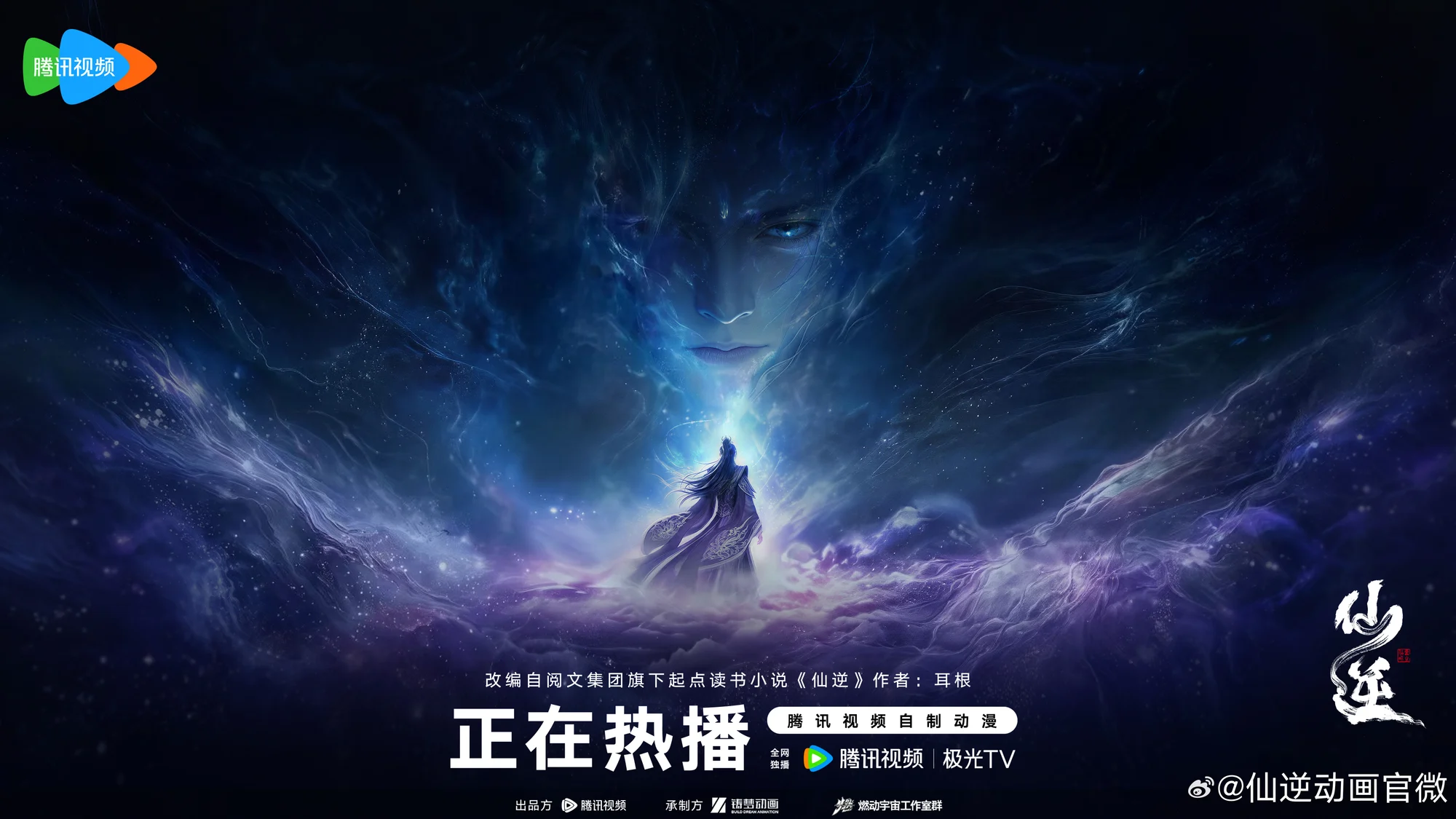
Updated July 24, 2026: Episode 151 moves the conflict into Li Yuan's sea of consciousness, where Wang Lin discovers that a sword spirit has taken control of his body and is attempting to revive the ancient immortal general Gu Ziyuan.
HubGZ
Author
Quick Answer
Updated July 24, 2026: Episode 151 moves the conflict into Li Yuan's sea of consciousness, where Wang Lin discovers that a sword spirit has taken control of his body and is attempting to revive the ancient immortal general Gu Ziyuan.
Updated July 24, 2026: the official preview for Renegade Immortal Episode 151 describes a conflict of possession, consciousness and immortal souls: the hidden scheme is exposed, control of the sea of consciousness is contested, and the battle unfolds both inside and outside Li Yuan's body. The episode follows Wang Lin and Li Yuan to the summit of the Burial Immortal site, where the attempt to remove an ancestral slave seal reveals a much older resurrection plan.
The central problem is not simply that Wang Lin has found another powerful opponent. He must distinguish between Li Yuan's genuine wish to free his family, the sword spirit's plan to use Li Yuan's body and Wang Lin's karmic whip, and the actual will of Gu Ziyuan, the immortal general whose soul has remained within the stone figure for thousands of years.
A battle inside the sea of consciousness
Possession creates two simultaneous battlefields. Outside, Li Yuan's body is controlled by another will and attacks Wang Lin. Inside, Li Yuan's true soul is suppressed. Destroying the body may also destroy the person Wang Lin is trying to save, while restraining the body without removing the hidden spirit would only delay the next seizure of control.
The official phrase “inner and outer confrontation” suggests that Li Yuan may still resist from within. A successful adaptation should therefore distinguish the visual language of the physical battle from the struggle over consciousness, showing that control of a body is not the same as ownership of a person.
Li Yuan is both an actor and a victim
Li Yuan approached Wang Lin because he sincerely wanted to remove the slave seal that had burdened his family for generations. The tragedy is that his understanding of the solution had been shaped by the sword spirit hidden within that seal. He believed he was following a path toward liberation while each step brought his body closer to the place where it could be taken over.
This is more dangerous than direct coercion because the victim experiences manipulation as personal choice. Wang Lin recognizes the inconsistency by observing changes in behavior, soul traces and the response of the restrictions around the stone figure.
Loyalty transformed into obsession
The sword spirit exists through its loyalty to Gu Ziyuan. After the general died during the destruction of the Thunder Immortal Realm, revival became the spirit's only purpose. Over thousands of years, loyalty stopped being tested against the present will of the person it claimed to serve. Resurrection became an automatic command, and any sacrifice could be justified as long as the master returned.
This explains how the spirit could harm Gu Ziyuan's own descendants. Its actions preserve the name of loyalty while destroying what the master may have wanted to protect. Wang Lin's challenge is therefore moral and factual: does Gu Ziyuan truly consent to returning through the blood and souls of others?
Why Wang Lin refuses the karmic whip
The karmic whip may provide the missing mechanism for reversing Gu Ziyuan's death. But changing cause and effect is not neutral. A life restored through transferred consequences, sacrificed descendants or stolen bodies would turn resurrection into another form of possession.
Wang Lin understands the desire to bring back the dead more deeply than most characters because his own path is tied to Li Muwan. His refusal does not reject resurrection itself. It rejects the claim that love or loyalty gives someone permission to use innocent people as material.
Did Gu Ziyuan still want to return?
The decisive evidence is the will of the immortal general. Leaving a fragment of soul in a stone figure does not prove permanent consent to every future resurrection method. A person who once wished to return may reject that wish after seeing the price paid by descendants.
If the blood tears of the figure represent resistance, Wang Lin can expose the contradiction the sword spirit refuses to acknowledge. The plan fails not only technically but because the intended beneficiary no longer accepts it.
Breaking obsession through words
The official follow-up describes Wang Lin's words as breaking the soul's obsession and shattering the delusion of rebirth. This is convincing only because his argument is supported by evidence: the sacrificed bloodline, previous failed attempts, the tears of the stone figure and the resistance of the immortal soul.
Wang Lin's experience with death and obsession allows him to recognize the story the sword spirit tells itself in order to continue. Words do not replace strength; he must survive the restrictions and attacks long enough for the truth to matter.
The reflection of Wang Lin's own path
The sword spirit functions as an extreme mirror of Wang Lin. Both are defined by the wish to restore someone important. The difference lies in method, consent and limits. Wang Lin must believe that Li Muwan wants to return while seeking a path that does not reduce other lives to sacrificial material.
Episode 151 can connect this side story to the main emotional arc without explicit exposition. A brief moment of recognition is enough to show that Wang Lin understands the sword spirit precisely because he knows how easily devotion can become imprisonment.
What to watch in the full episode
Viewers should watch how actively Li Yuan resists inside his sea of consciousness, what evidence proves Gu Ziyuan's refusal, how the karmic whip would alter cause and effect, and how the restrictions are linked to Li Yuan's body. The aftermath also matters: freedom from the slave seal should not erase the trauma of manipulation, sacrifice and lost trust.
Conclusion
Episode 151 places body, consciousness, immortal soul and karma inside the same conflict. Wang Lin wins only if he correctly identifies who controls Li Yuan, whose desire the resurrection plan serves and whether the dead accept its price. The sword spirit's tragedy is that loyalty became a prison; Wang Lin breaks the scheme by forcing obsession to confront the contradiction it has spent thousands of years avoiding.
Related Topics
